Quality assurance and documentation
We quality assure all fire seals through thorough inspection and detailed photo documentation that shows both the work process, the materials used and the finished result.


We quality assure all fire seals through thorough inspection and detailed photo documentation that shows both the work process, the materials used and the finished result.

Our specialists are trained through the BSB Academy, where we combine theoretical knowledge and practical training to ensure that all tasks are carried out according to current standards and best practices.

We deliver fire protection solutions that combine carefully selected materials, precise workmanship and full documentation, so that quality can be confirmed both upon delivery and throughout the lifetime of the installation.
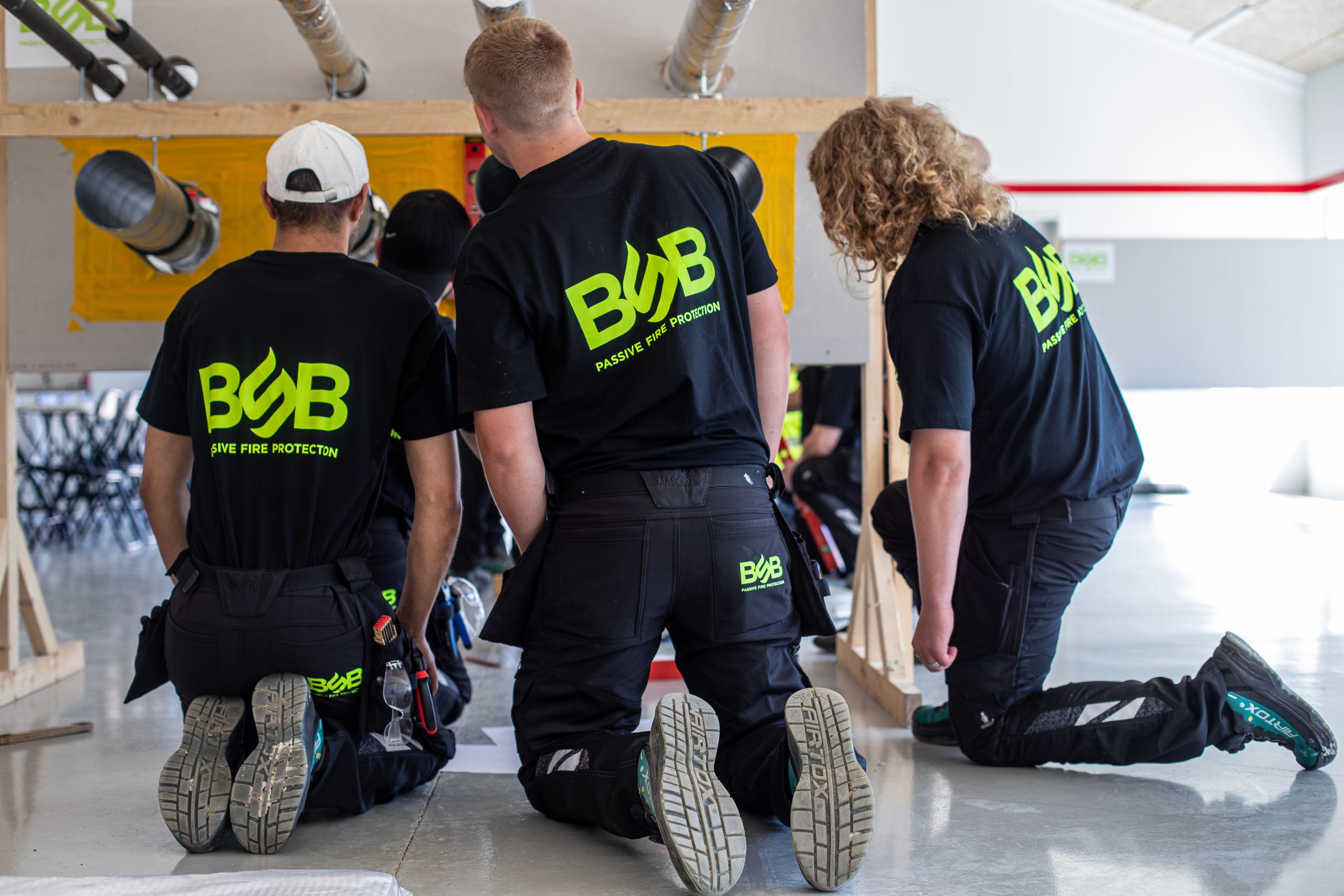
Passive fire protection refers to the materials and techniques used in buildings to prevent or slow the spread of fire and smoke. These methods are built into the structure of the building itself and include elements such as fire doors, fire walls, and special fire-resistant materials and methods such as steel fireproofing.
Passive fire protection is not just a statutory measure; it is a crucial part of building safety. It ensures that the building structure can withstand fire for a set period of time, giving occupants and users time to evacuate safely.
At BS Brandsikring, we can take care of all your passive fire protection needs to ensure you are in the best position in the event of a fire. Contact us for a no-obligation chat about how we can help you.

Active fire protection includes systems and devices that actively detect and fight fire. When working with active fire protection, it is especially important to focus on early detection of fire so that it can be alerted as soon as possible. Next, it’s how the fire can be fought. Fire alarms and ceiling sprinkler systems are the most well-known systems in active fire protection. In addition, we see more and more buildings with a red fire sprinkler on the wall, which is also under active fire protection.
In the event of a fire, active fire protection is also about helping people out of the fire. This can be done by escape route luminaires that light up over doors and exits, designed to guide and help people away from the fire and out of the building. These are the common measures, but there are many more.

Easier, safer and more efficient fire protection through technology for modern buildings
Passive fire protection refers to the design elements and materials built into the building structure to resist or limit the spread of fire and smoke. Passive fire suppression includes:
Active fire protection includes all systems and devices that actively intervene to detect or fight fire. These include:
Fire protection is a crucial factor in building safety and it is important to understand who is responsible for implementing and maintaining effective fire protection systems.
Responsibility for fire protection can vary depending on the type, use and geographical location of the building. In general, it includes:
Contact BS Brandsikring today for questions, advice or a no-obligation quote on our fire protection services. As your one-stop shop for passive fire protection solutions, we are ready to help you protect your building components against fire and smoke spread.


